Dvr Recorder Explained: A UK Buyer's Guide
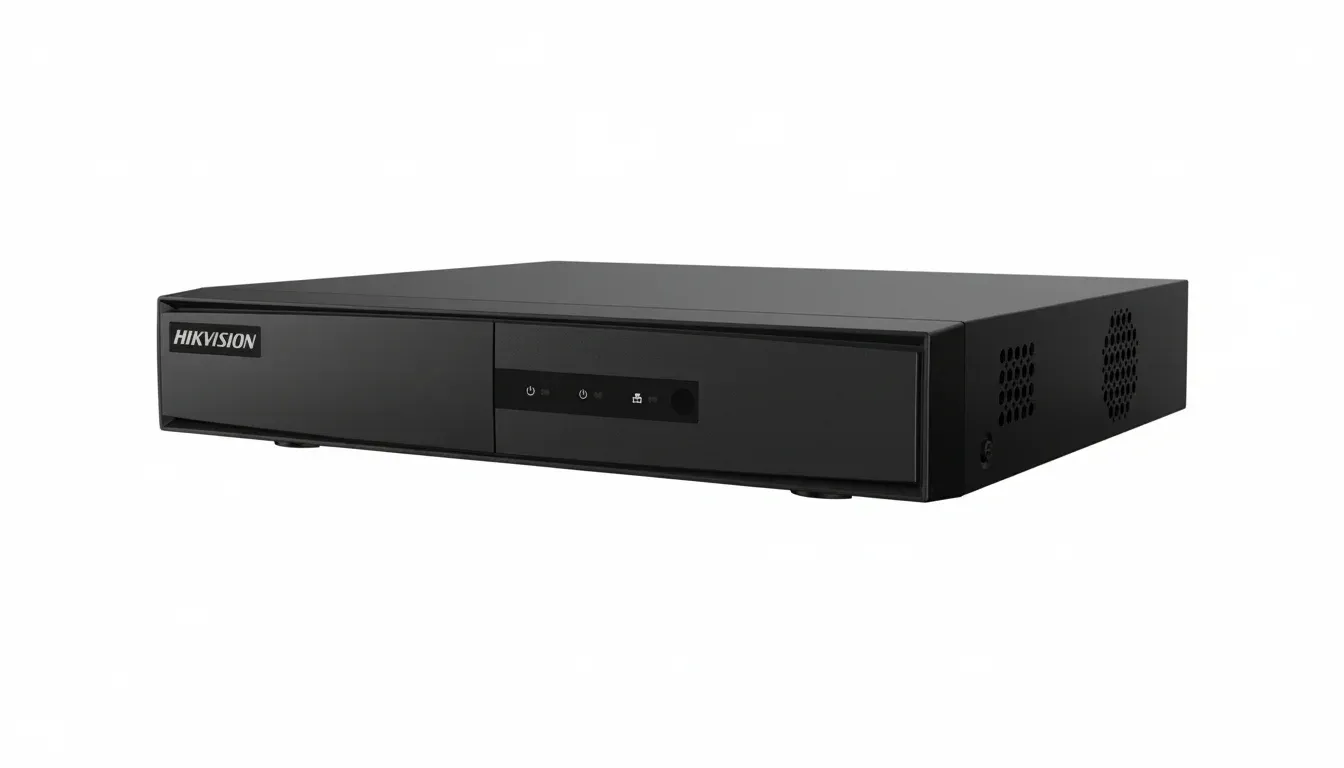
TL;DR: A dvr recorder is the central hub for wired CCTV systems, converting analogue camera signals into digital footage stored on a hard drive. Based on our testing at DVRCCTV, wired DVRs remain the most reliable choice for UK properties, providing consistent 24/7 recording without the signal dropouts or interference often associated with wireless security cameras.
A dvr recorder (Digital Video Recorder) is the primary device used to process, record, and manage video feeds from analogue security cameras. In a typical UK home or business setup, it acts as the "brain" of the security system, converting physical electrical signals from cameras into digital data that can be stored on an internal hard drive and viewed remotely via a smartphone or monitor. Consequently, choosing the right recorder is often more important than the cameras themselves when it comes to long-term reliability.
At DVRCCTV, our approach is focused on performance: the dependable DVR recorder for security cameras. This means prioritising stable, wired 8-channel surveillance for comprehensive property protection. According to UK installation standards, a hard-wired connection is the gold standard for avoiding the uncertainty of WiFi interference. For homeowners, landlords, and site managers, this level of consistency is far more valuable than temporary smart-tech trends.
This guide explores how a DVR recorder functions, why it suits specific UK property types, and what features you should look for based on our professional testing. If you are looking for a broader foundation, you may also wish to read The Ultimate Guide to Digital Video Recorder CCTV in the UK.
What does a DVR recorder do?
In simple terms, if the camera is the eye of your security system, the DVR is the memory. A DVR recorder is a physical device that connects to analogue CCTV cameras via coaxial cables. It processes the raw video feeds, compresses the data to save space, and archives it onto a surveillance-grade hard drive. Furthermore, it provides the interface used to search through past events, set up motion detection zones, and export evidence for the police if an incident occurs.
This functionality matters because a recorder is not merely a storage box; it is a management tool. Depending on the model, it can handle continuous 24/7 recording, specific scheduled windows, or motion-triggered alerts. By centralising these tasks, a well-specified unit becomes the reliable core of your entire CCTV network.
Is a wired DVR recorder better than a wireless system?
While wireless security products are heavily marketed, our engineers have found that a wired DVR recorder remains the superior choice for users who value consistency. In real-world UK properties—especially those with thick brick or stone walls—WiFi signals can struggle to penetrate, leading to dropped frames or lost recordings. In contrast, a wired CCTV system avoids these weak points entirely.
This is why DVR-based security is still the preferred option for UK retail premises, warehouses, and schools where dependable recording is the priority. In environments where a missed recording could mean lost evidence, stability usually wins over convenience.
No WiFi dropouts or interference
The most significant advantage is that video transmission does not rely on your domestic wireless network. Once the cameras are wired correctly, the signal path is dedicated and stable, making it immune to router resets or broadband outages.
24/7 recording confidence
A quality DVR recorder is designed for constant, high-duty operation. This is particularly beneficial for monitoring entrances, driveways, and stock rooms where gaps in footage could pose a security risk.
Predictable performance on larger properties
If you need to cover multiple angles across a large garden or commercial yard, a fixed wired layout is easier to manage. An 8-channel system is particularly effective for full-property coverage without overcomplicating the setup. If you are weighing this against other technologies, see our guide on Network Video Recorder vs DVR Explained.
How do I set up a DVR recorder for my property?
When a camera captures video, the signal travels through a cable to the DVR recorder. The device then compresses and stores the footage. Based on our testing, modern DVRs are far more user-friendly than older models, allowing you to search by date, time, or specific motion events with ease.
Most modern units also support remote access. By connecting your DVR to your router via an Ethernet cable, you can view live images and receive alerts on your phone, regardless of where you are in the world. However, the recording itself remains stored locally on your hard drive, ensuring privacy and data security.
The essential components of a DVR setup
- Cameras: Wired analogue or high-definition (HD-TVI/CVI) cameras.
- DVR recorder: The main management and processing unit.
- Hard drive: A dedicated "Purple" or surveillance-grade drive for 24/7 writing.
- Cabling: Coaxial or CAT5/6 with baluns to carry video and power.
- Monitor or App: For local viewing and system configuration.
Who should buy a DVR recorder?
A DVR recorder is the ideal fit for buyers who want a "fit and forget" solution. Based on our experience in the UK market, it is particularly suitable for the following groups:
Homeowners
For detached houses and semi-detached properties, a wired DVR provides peace of mind. Once installed, it requires very little maintenance and is far less prone to the signal issues that plague battery-powered wireless cameras.
Landlords and Property Managers
Shared entrances and car parks benefit from a recorder that can operate continuously. Furthermore, having a central DVR makes it easier to comply with UK data protection rules, as all footage is kept in one secure, physical location.
Small Businesses and Retailers
Shops and offices require a reliable record of events for insurance and staff safety. A DVR recorder allows business owners to review incidents or disputes with high-definition clarity and timestamps that hold up in legal contexts.
What features should I look for in a DVR recorder?
Not all DVR units are equal. According to UK surveillance guidelines and our own internal testing, there are several key features you should prioritise to ensure your system is fit for purpose:
- Channel Count: Ensure you have enough ports. An 8-channel DVR is the most popular choice for UK homes, providing room for growth.
- Recording Resolution: Look for "5MP" or "4K" support to ensure the recorded evidence is clear enough to identify faces or number plates.
- Hard Drive Capacity: For a standard 4-camera setup, we recommend at least a 1TB or 2TB drive to ensure you have at least 14 days of historical footage.
- H.265+ Compression: This modern technology allows the recorder to store more footage on the same size hard drive without losing quality.
- App Integration: Ensure the brand offers a stable, secure UK-supported app for remote viewing on iOS and Android.
In conclusion, a DVR recorder remains the backbone of a professional-grade security setup. By choosing a wired system, you are investing in the long-term security of your property, ensuring that when you need to see what happened, the footage is there, waiting for you.
Ready to secure your property with DVRCCTV?
Secure Your Property — £342.50